
What is the worst position in basketball? Decoding the mental and physical demands
The term “worst position” does not simply mean that the position is inferior, but rather refers to how difficult it is to adapt to or the level of pressure a player must handle. Each person has their own perspective on these roles. basketscores.com answers the question: What is the worst position in basketball?
What is the worst position in basketball?
This ranking lists all basketball positions based on the author’s personal opinion.
1. Shooting Guard (SG)
Although it is one of the most attention-grabbing positions, the shooting guard role has become increasingly competitive in modern professional basketball. In addition, SGs depend heavily on their scoring ability; without scoring, they often contribute very little to the overall game.
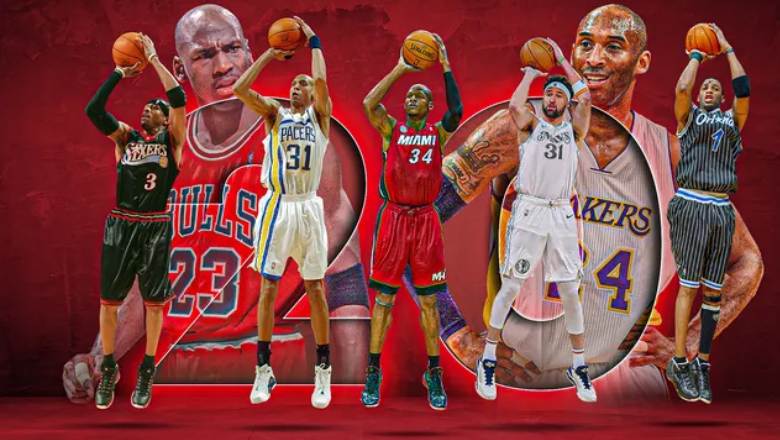
In today’s game, shooting guards usually have to defend the opponent’s best scorers. They face heavy physical demands, spending a lot of energy guarding top players while still needing enough stamina to score 20-25 points for their own team.
At present, many teams prefer 3&D players (those who can shoot three-pointers and defend well). If a shooting guard can only score but cannot defend, they will quickly be pushed out of the rotation. Therefore, this can be seen as one of the most difficult positions due to the high pressure and constant risk involved.
2. Center (C)
The center position is widely considered one of the most demanding because of its physical nature. A center’s value lies in protecting the rim and contesting plays near the basket, which requires great strength and endurance. If a center allows easy scoring in the paint, the entire defensive system can collapse.
In addition, if a center is too slow, they can be easily beaten by quicker, smaller players. In modern basketball, a center who cannot defend the perimeter is often seen as a weakness because opponents can exploit them. Centers must constantly battle strong opponents, jump repeatedly, and move up and down the court, which increases the risk of long-term injuries, especially to the knees and back.
3. Small Forward (SF)
This is often seen as the most complete position, but also one of the most demanding. If a player does not perform well, they can become less noticeable because they lack a clearly defined role. The small forward acts as a link between inside players (big men) and outside players (guards).
An SF must perform at a good level in many areas. Because they are required to do so much, average players in this position may struggle to excel in any one skill.
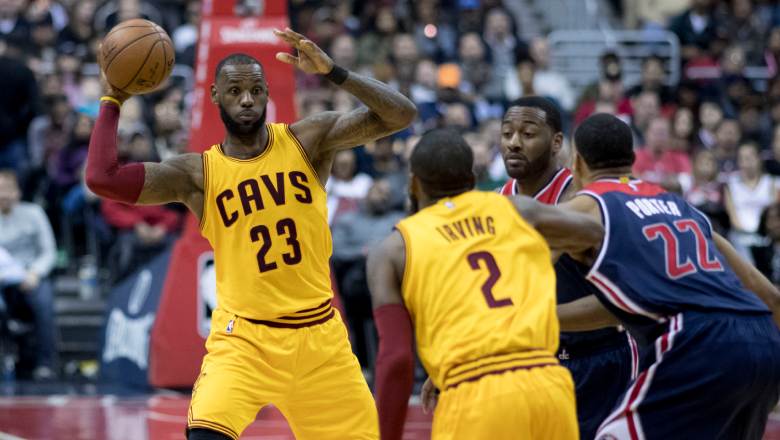
In modern basketball, the ability to defend multiple positions is a key requirement for a small forward. A good SF must be able to guard from point guards to power forwards. They need to be quick enough to stay with fast guards, but also strong enough to compete with bigger players near the basket. This makes the position physically very demanding.
SF players also need an ideal physical profile, usually between 1.98 m and 2.06 m in height. If they are shorter, they may be seen as too small for the role. If they are taller but lack agility, they may be moved to play as a power forward instead.
4. Power Forward (PF)
Power forwards are often matched up against some of the most physically demanding opponents on the court. They need the strength to defend centers and the speed to handle small forwards on the perimeter. In many situations, they face players who are either quicker or taller than them.
The PF role involves a lot of defensive responsibility. Regardless of how modern basketball becomes, power forwards must still do the “hard work” on the court. This includes boxing out for rebounds, setting solid screens, and competing for loose balls. It is one of the least celebrated roles but involves constant physical effort.
In addition, PFs must make quick decisions in offense, choosing whether to shoot, drive, or pass to teammates in better positions near the basket.
5. Point Guard (PG)
Finally, the point guard position may appear less physically demanding, but it comes with significant mental pressure. Tactical awareness is the most important factor. A PG must not only see open teammates but also predict where players will be open in the next few seconds.
A good point guard needs to pass accurately without allowing opponents to anticipate their moves. They also control the pace of the game, deciding when to push for fast breaks and when to slow the game down to maintain control.
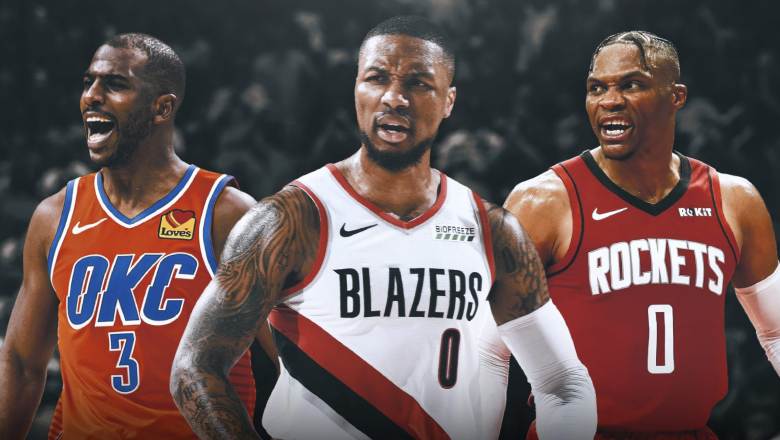
In modern basketball, a point guard who cannot shoot creates a tactical problem. If they are not a scoring threat, defenders can ignore them and focus on stopping their teammates. Therefore, PGs must balance scoring and playmaking effectively.
Point guards are usually the smallest players on the court. In defensive switches, they can be easily overpowered by taller opponents near the basket. In summary, when a team plays well, scorers such as shooting guards or small forwards often receive praise. However, when the team struggles or makes mistakes, the point guard is usually the first to be criticized.
BasketScores has answered the question: What is the worst position in basketball? To learn more about updated basketball schedules, please visit our page.
The Most Popular
-
 Who is LeBron James? Everything you need to know about the NBA’s all-time leading scorer
 -
 Top 10 most famous Canadian basketball players: Stats, careers, and legacies
 -
 What is the biggest win in basketball history? The most lopsided scores ever
 -
 What is a 'Stretch Big' in basketball? Decoding the tactical weapon that broke the NBA
 -
 What is a 'Stretch 4' in basketball? Definition, key skills, and best players
 -
 What position does Stephen Curry play? The evolution of a revolutionary Point Guard
 -
 Who is the Golden State Warriors head coach? The mastermind behind the dynasty
 -
 How many months is the NBA season? Key dates and milestones you need to know
 -
 What is a triple-double in basketball? Everything you need to know about the NBA feat
 -
 What happens when the ball gets stuck in the rim? Decoding NBA official rules